Robot platforms

Hardware that the software already knows.

Every robot family we support is described once — how it is driven, what it publishes, what it can do — and the dashboard, the installer, the showcase and the Knowledge Base all read from that. Adding a robot to a class is registering it and running one script.

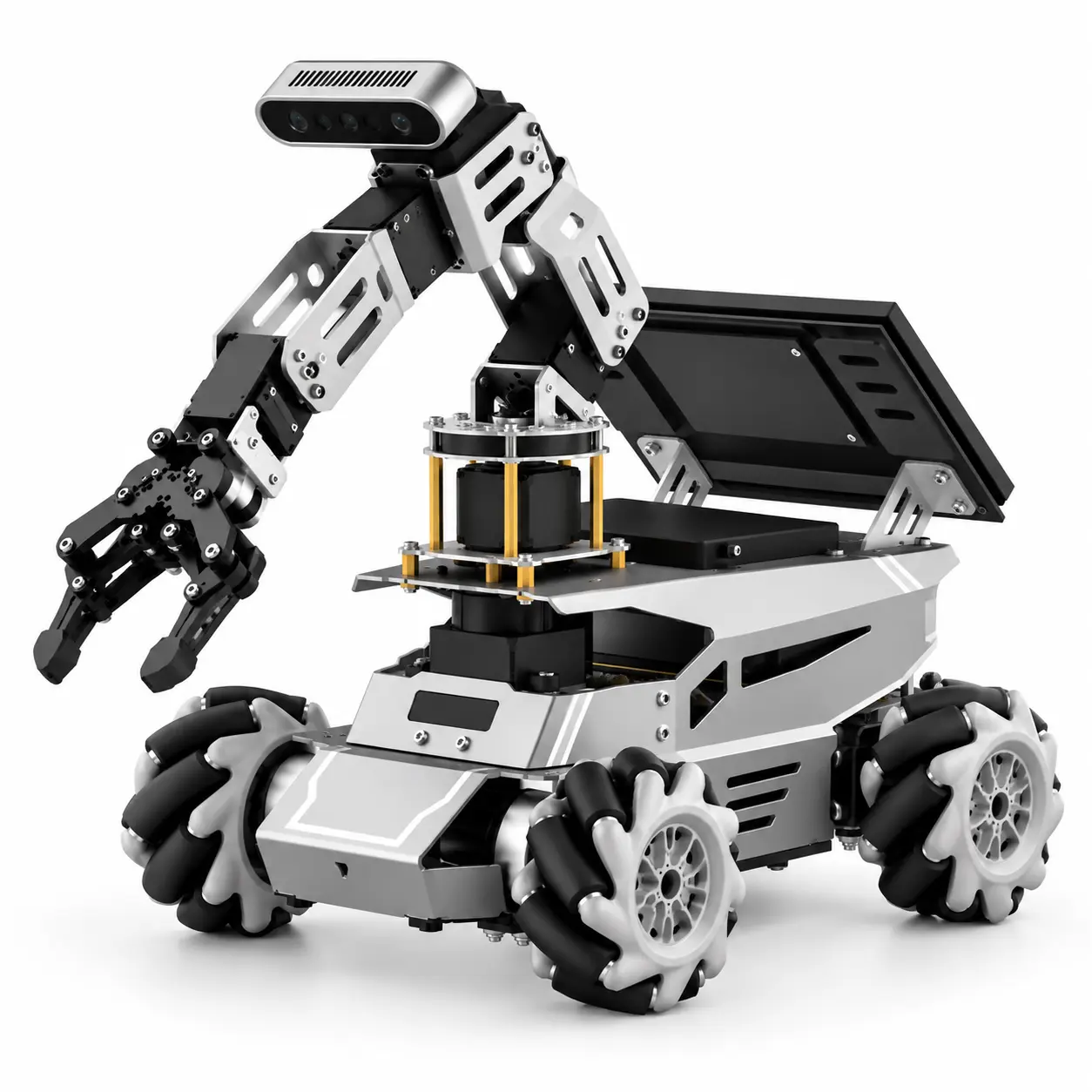
Navigator Pro mecanum rover
Navigator Pro · onlineodom · imu · lidar publishing
EMERGENCY STOPone button, every screen

ROS 2 robots

Programmable from the browser, stoppable from anywhere.

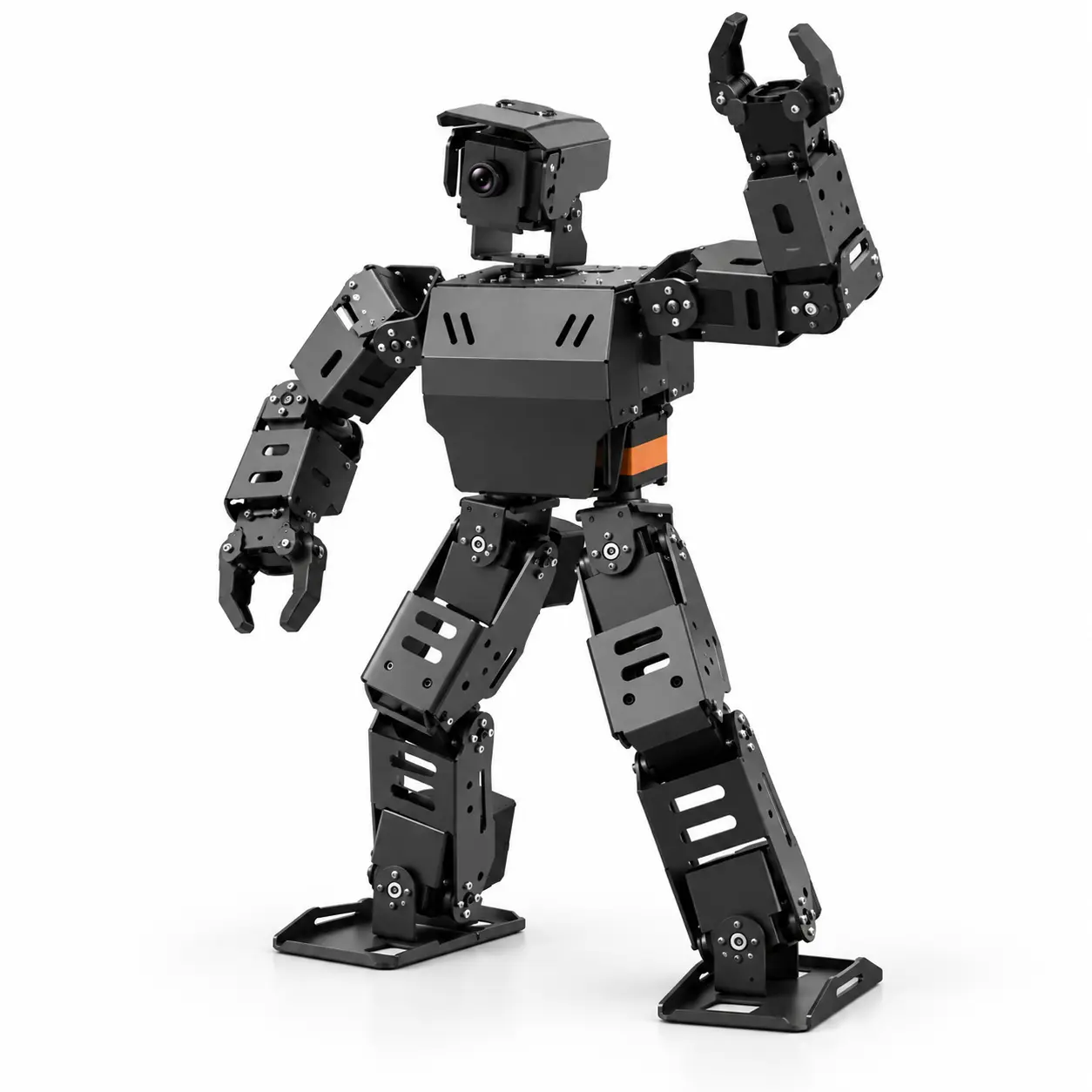
Coming soonAtlas H humanoid
Walking humanoid

Atlas H

A bipedal humanoid for the class that has outgrown wheels. Gait and balance are handled by its own motion stack; students command walk, turn and gestures from the same block workspace, with an IMU to reason about.

humanoidwalk · turnimucamera
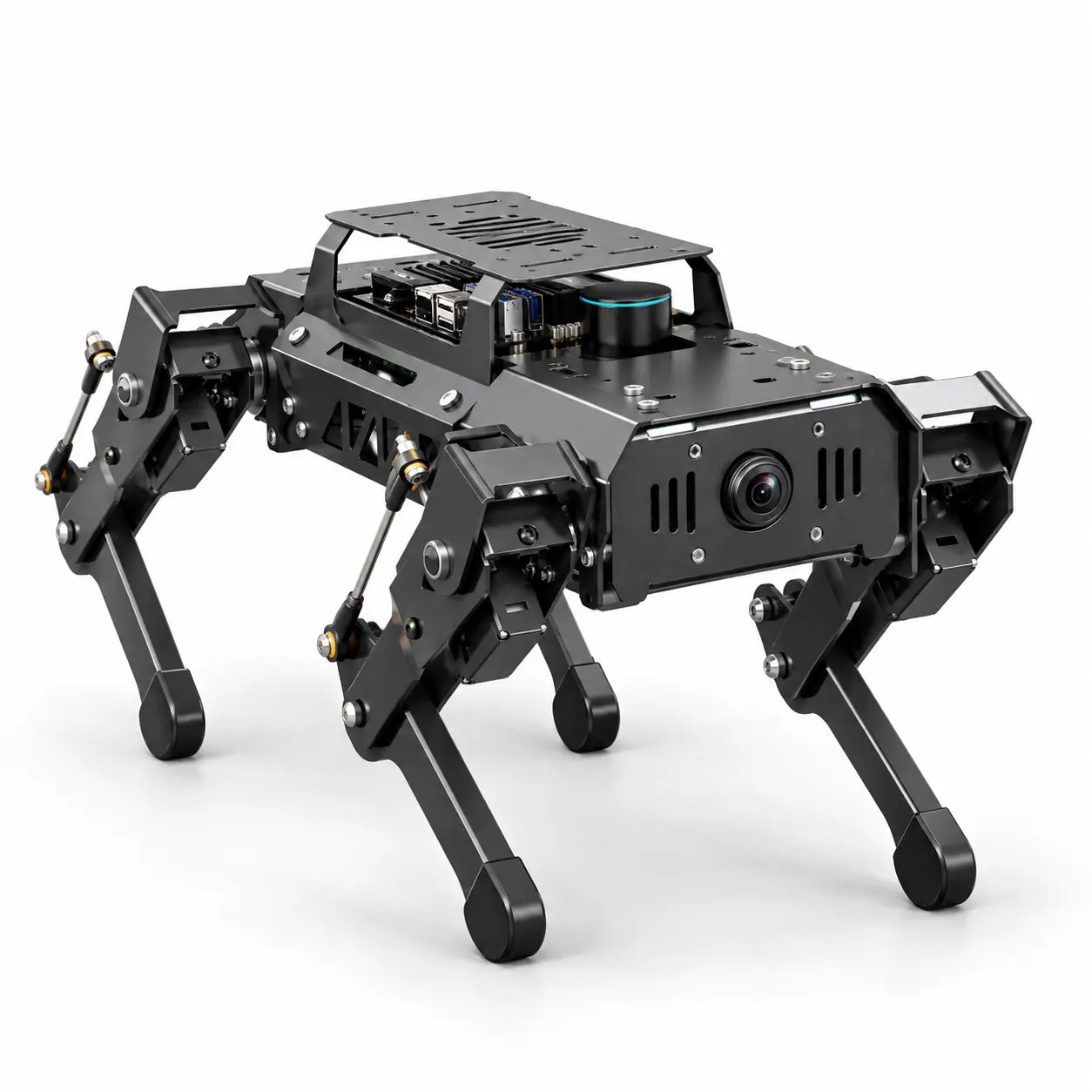
Coming soonAction Pi quadruped
Quadruped walker

Action Pi

A four-legged walker that runs ROS 2 in its own container. Sideways steps, turns and an IMU make it the natural next platform after the rover — the motion is different, the blocks are the same.

quadrupedstrafeimulidar option
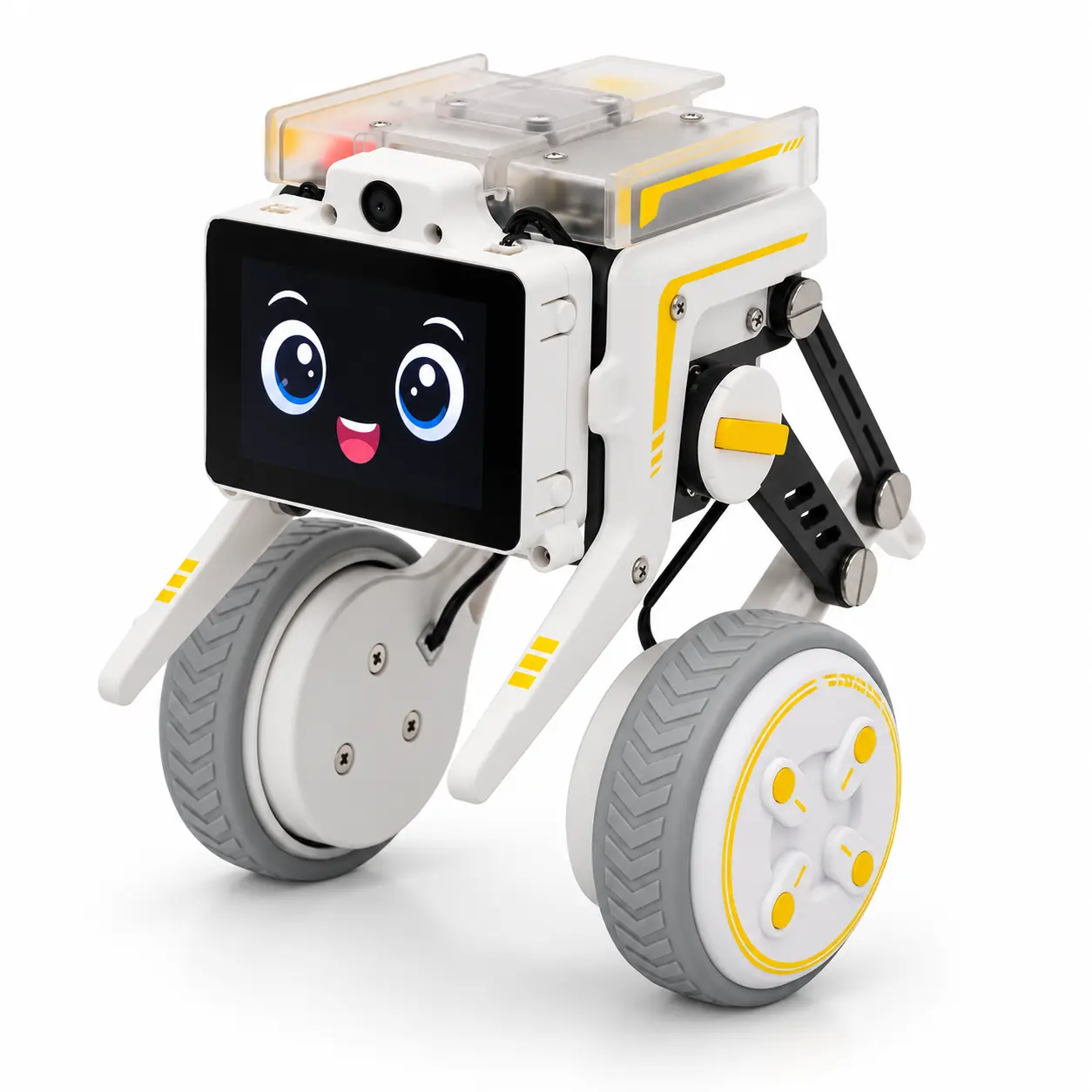
Coming soonOrion-Pi balancing robot
Two-wheel balancing robot

Orion-Pi

A self-balancing two-wheeler — the control-theory lesson on wheels. We install ROS 2 for it in a container, so the dashboard sees it like any other robot.

balancingtwo-wheelimu

Bring your own robot

Any Raspberry Pi, Jetson or Debian board with ROS 2 installed registers as a Generic Linux robot. Download its installer, run it once, and it appears on the dashboard with the same emergency stop and diagnostics as everything else.

Kits

Every block in the toolbox exists because a part in the kit needs it.

Kits ship with a bill of materials the platform reads, so the showcase and the Knowledge Base only show projects the class can build with what is on the table.

Arduino Projects Kit contents
22 parts · 30 projects

Arduino Projects Kit

The starting kit for a class. Uno R3, breadboard and wires, ultrasonic and IR sensors, buttons, potentiometers, LDRs, LEDs, a servo, a buzzer, an L298N motor driver and a robot chassis — everything for the Arduino showcase series, from a blinking LED to a line-following robot.

Arduino Uno R3HC-SR04IR ×2servoL298Nchassis
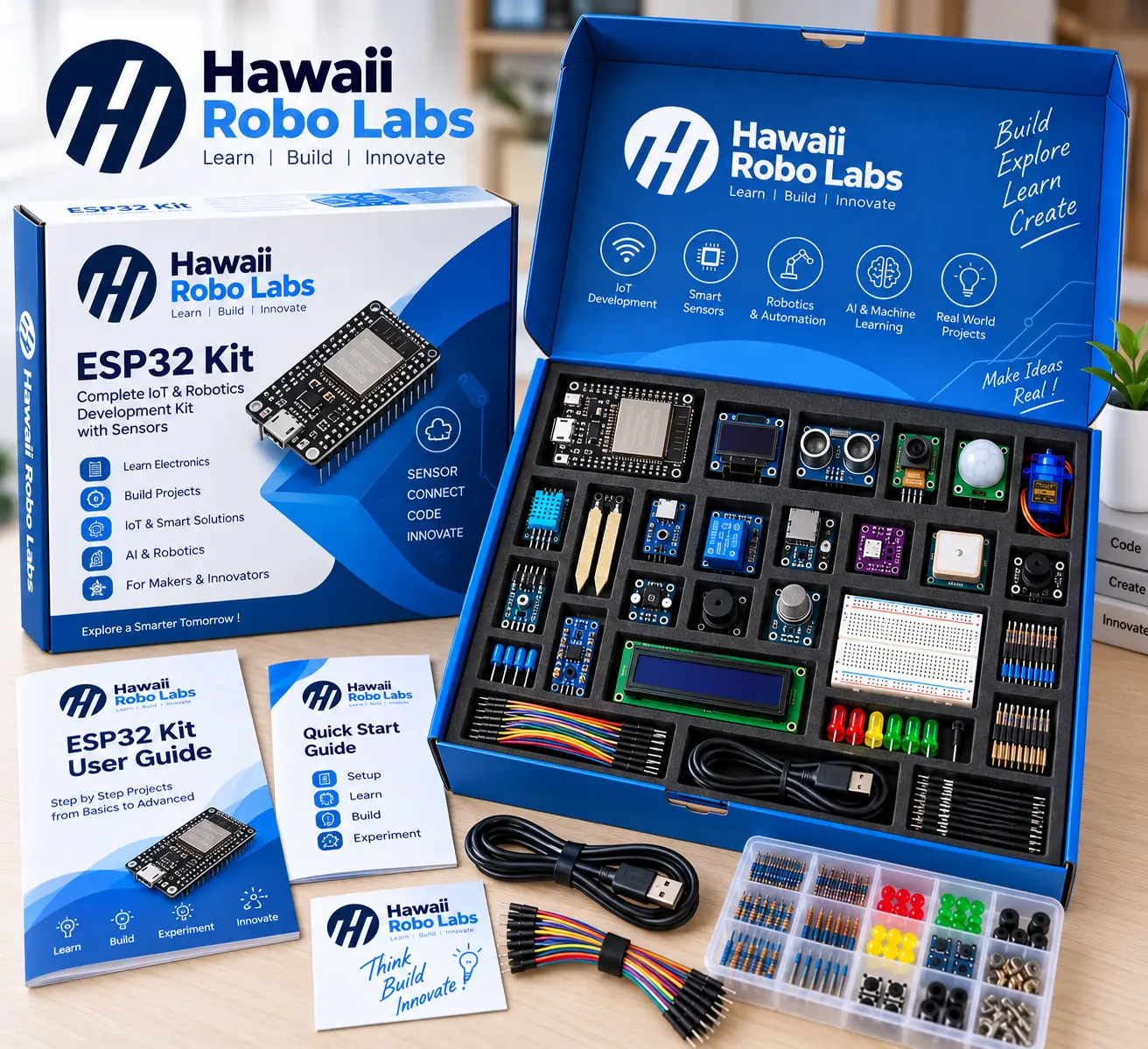
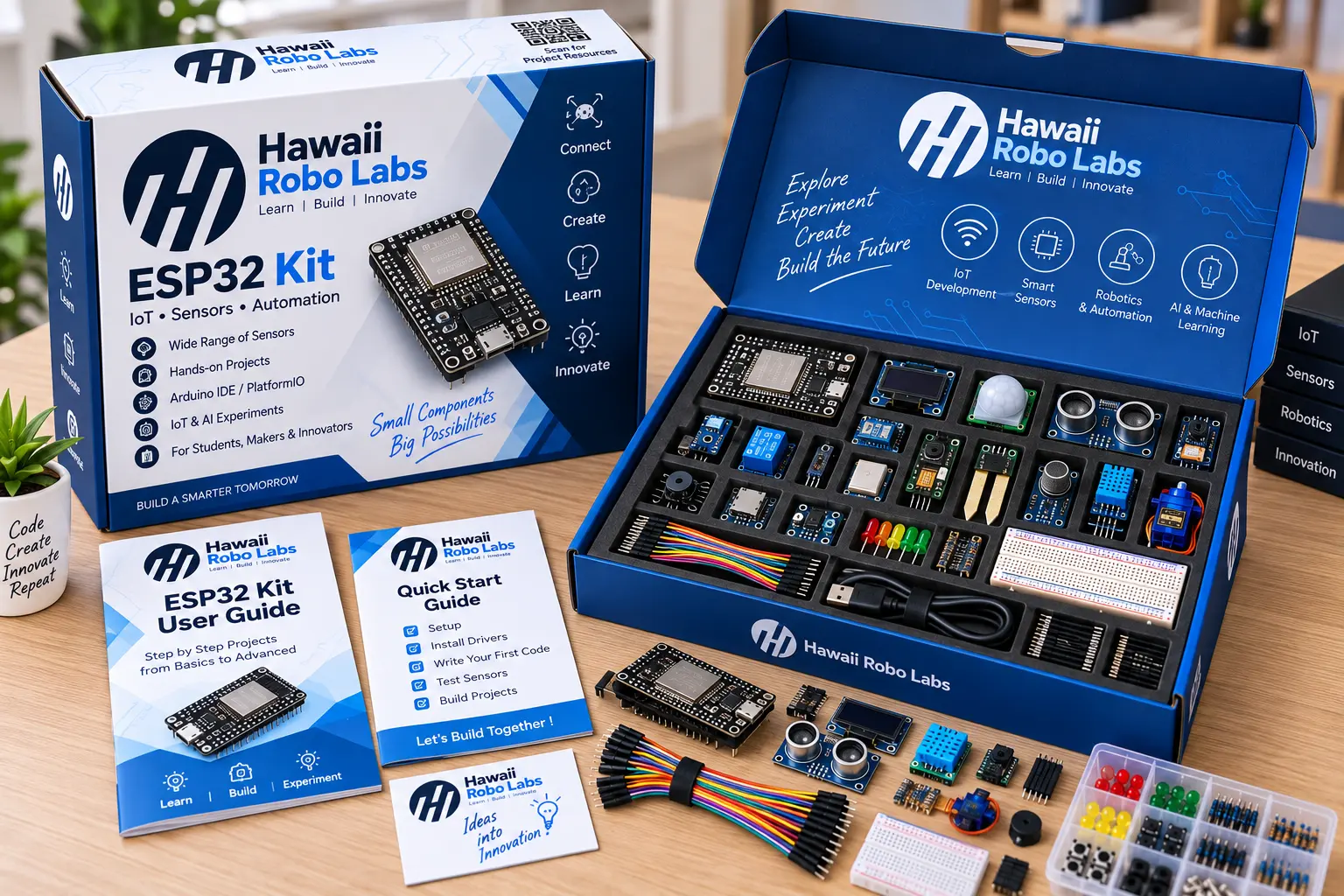
ESP32 Sensor Kit contents
31 parts · 12 projects

ESP32 Sensor Kit

Wi-Fi, a faster board and a dozen new sensors: soil moisture, PIR motion, temperature and humidity, gas, sound, a Hall sensor, a water pump with relay, an RGB LED and a 4WD chassis — the second-year kit with its own DevKit project series.

ESP32 DevKit V1DHTPIRgaspump + relay4WD chassis

See it running with your own class — or your own building.

A 30-minute demo covers the academy platform end to end, and where a utility robot could earn its keep on your site.